

What Are Coins Made Of? Fascinating Coin Secrets
What Are Coins Made Of? Fascinating Coin Secrets
Coins and other every-day objects are the ones people interact with more than every since they came in, yet they are very few people who actually take a while to consider what they're helping.The one thing that humans interact with on a daily basis, and not many take time to consider what they're helping, is coins. Have you ever asked yourself what are coins made of? The answer depends on the coin, the year and even the state of the moneyed economy in America during that time.
Modern coins in the United States use a mixture of copper, nickel, zinc and manganese. But some older U.S. coins were issued in precious metal, such as silver and gold. In the years that followed, the design and composition of the U.S. coins shifted to cut costs, enhance durability and conserve valuable materials.
Many of today's people wonder what are US coins made of and whether or not the older coins have the real silver? Also, older coins may be worth more than their face value. Collecting coins, investing in coins, primary students, or just interested, having a knowledge of coin material will enable you to identify interesting coins and comprehend the nature of today's currency.
In this complete guide you will find out what are the coins made of, which coins contain silver, how modern coins are manufactured, and why U.S. coin compositions changed over time. Also where to buy coins such as eaglesonly.
What Are Modern U.S. Coins Made Of?
Currently, Americans do not use coins that are composed of standard precious metals. However, the United States mint works with a multi-layered process of the metals which are strong, cheap, and appropriate to wear in daily circulation.
Different denominations of coins are made of different metals because each denomination is used at a different regularity, to cost a different amount to make and is required to circulate for a different number of years.
Most of the modern U.S. coinage today is composed of alloys of copper, nickel and zinc. There are also Coins that have manganese and other metals added to them to strengthen and beautify their look.
Modern U.S. Coin Composition Table
| Coin | Modern Composition |
| Penny | 97.5% zinc, 2.5% copper plating |
| Nickel | 75% copper, 25% nickel |
| Dime | Copper core with nickel outer layers |
| Quarter | Copper core with nickel outer layers |
| Half Dollar | Copper and nickel-clad layers |
| Dollar Coin | Copper, zinc, manganese, and nickel |
While some coins may be silver or copper in colour, it is common to find multiple layers of metals bonded in coins.
What Are Pennies Made Of?
Most new pennies are zinc coated in copper. The U.S. Mint has been using this composition since 1982, when it determined that producing pennies with the copper that was the cost effective metal at the time was too expensive for the United States Mint.
The copper metal has formed the main material used in the production of pennies before 1982. In fact the older pennies had roughly 95% copper to the penny – they were much different than the pennies today.
Why Did the U.S. Change Penny Composition?
The price of copper increased dramatically during the late 1970s and early 1980s. They were able to produce pennies almost entirely out of copper by now but it was too expensive.
The solution was to use a zinc core and copper plated the outside. Since copper was more expensive than zinc, massive savings in production costs were able to be made and the familiar appearance of the penny was retained.
Why Do Pennies Still Look Like Copper?
Although the chief material of the modern penny is zinc, it still looks as if it is made of copper due to a thin copper alloy coating. This has been considered an outer plating that keeps the traditional feel people would expect from a penny.
Although it is debated that the coin should be eventually phased out because of the cost of manufacturing, the Lincoln cent, traditionally, has been one of the most widely circulated coins released in the U.S.
What Are Nickels Made Of?
Nickels are made from an alloy containing 75% copper and 25% nickel. For decades, this composition has retained the same for durability and corrosion resistance purposes.
Unlike pennies, a nickel is not a solid core that is just covered with a layer of metal. Throughout the coin's entire structure it can be found to have a uniform alloy of copper and nickel.
Why Is the Coin Called a Nickel?
The name of the coin is derived from the nickel in the composition. The silver color to the coin and protection from wear and rust are designed to be provided by nickel.
Nickels are in high circulation and the Mint needs to have a material that can withstand years of handling, vending machines and the environment.
What Are War Nickels?
Nickel Metal was used in WWII in the production of military equipment and weapons. Due to the need for nickel during World War II, the U.S. Mint switched the metal composition of nickels in 1942 and again in 1945.
During the war these were made with silver rather than their usual nickel material. Manganese, copper and some 35% of silver comprised the mix.
Today, war nickels are popular among collectors because they are one of the few American nickels made with precious metals.
What Are Dimes and Quarters Made Of?
Modern dimes and quarters are manufactured with a cladding (layered) type of metal. The coins possess a very high copper content (0.972 pure) which includes a center core of pure copper between outer layers of copper and nickel alloys.
This design permits coins to appear silver clean, without using phrases about a expensive silver metal.
What Is a Clad Coin?
Clad coins are a group of various metals stacked together. Modern dimes and quarters might look like older coins, but are not solid silver.
Close up inspection of the edge of a modern quarter or dime will often reveal a layer of copper in the middle, and allow you to begin teasing out some answers.
A bimetal construction came into use in the United States when silver was no longer used on coins in the 1960s.
Why Did Silver Get Removed From Coins?
All dimes and quarters before 1965 had 90% silver in them. But silver prices surged upward, leading to a large number of people collecting silver coins for the value of the metal itself.
The government realised that the value of the silver content in them was appreciating at a faster rate than that of the face value stated on the coins. Silver was phased out of most U.S. circulating coinage as a result of the Coinage Act of 1965.
The change to copper-nickel clad coins enabled the Mint to use inexpensive materials to continue minting inexpensive coinage.
What Are Dollar Coins Made Of?
Many ask "what are dollar coins made of" since these modern dollar coins appear very much like gold. But don't rely on these coins containing gold.
Current U.S. Dollar-denomination coins are produced of a manganese-brass alloy which features copper, zinc, manganese and nickel. This colour and durability is achieved by combining these.
Modern Dollar Coins
The following modern dollar coin series have this alloy composition:
Sacagawea Dollar
The Sacagawea dollar was launched in 2000, and is designed to be a gold-colored piece to promote the greater circulation of dollar coins.
Presidential Dollar Coins
They are named after former U.S. presidents and have a similar manganese brassy composition.
Native American Dollar Coins
This continuing series remains on the sturdy, multi-layered alloy frame.
Older Silver Dollar Coins
The appearance of the older American dollar coins was significantly different that the contemporary ones. The Morgan Silver Dollar and Peace dollar coins came in at 90-percent silver and 10-percent copper.
The reason that these coins can be collected so much are their historical value, as well as their silver content.
Why Did the U.S. Stop Using Silver in Coins?
The United States of America's withdrawal of silver from most of its circulating coins was one of the major events in the history of American coin.
Garden variety dimes and quarters, half dollars and dollar coins were filled with heaps of silver for many decades. The price of silver, however, caused serious economic issues, however.
Silver Became Too Valuable
When sliver prices went up people started taking the coins out of circulation and trading them for the sliver on the weight rather than for the value of the coin. In a few instances, the precious metal in a coin had an annual profit of more than the face value.
This led to a shortage of coins throughout the country, because coins were no longer being used as currency for everyday purchases.
The Coinage Act of 1965
The problem was solved by Congress with the Coinage Act of 1965. The act eliminated silver from dimes and quarters, and a half reduced the amount of silver in half dollars.
The Mint discontinued the use of silver and substituted it with copper and nickel based alloys which were cheaper and more easily available.
The United States turned into an era of modern clad coinage shortly after.
What Coins Are Made of Silver?
If you are looking for what coins are made of silver, then it is worth noting that many of the old American silver dollars have a significant amount of pure silver.
These coins are not just collectibles, but also good investment properties for those keen on precious metals.
Silver Dimes
All U.S. dimes minted in 1964 or earlier contain 90% silver. Roosevelt dimes, Mercury dimes and Barber dimes are all in this category.
Silver Quarters
Washington quarters minted prior to 1965 also have 90% silver. This set of coins constitute some of the most popular American silver collectible coins known.
Silver Half Dollars
All pre-1965 half dollars are 90-percent silver. Though Kennedy half dollars were minted from 1965 all the way up to 1970, they still retain 40% silver.
Silver Dollar Coins
Debasic silver dollars are also extremely popular with silver coin collectors as they are considered historic silver dollar coins that were minted, mostly of registered silver, by the United States.
War Nickels
wartime metals shortage had caused the addition of 35% silver to the nickels produced from 1942-1945.
What U.S. Coins Are Made of Silver Today?
Current circulating U.S. coin isn't made out of silver. The U.S. Mint continues to mint collectibles and investors' special "silver" coins, however.
American Silver Eagle Coins
One of the more popular silver bull ion coins in the world is the American silver eagle. One troy ounce of pure silver is contained on these coins and mainly made for investment.
Silver Proof Sets
The Mint also releases special sets of silver proof coins designed for coin collecting.
Commemorative Silver Coins
Sometimes special rare silver coins with a special design are created to commemorate significant historical events or anniversaries.
This type of coin is not intended for day-to-day use, but is favored by collectors.
How Can You Tell If a Coin Contains Silver?
Many people ask how to identify silver coins in old coins, or in their spare coins. Thankfully, there are a few easy ways to find out if your silver coin is silver.
Check the Date
An easy way to do this is to look at the mint year.
Before 1965, majority of the dimes and quarters were in silver. Silver Silver Half Dollar collectibles are silver genuine pieces from years previous to the year of 1971.
Examine the Coin Edge
The appearance of a copper colored band around modern clad coins is one of the many layers in its construction.
Silver coins typically have a full silver look on the edge with no copper.
Listen to the Sound
The sound of silver coins is higher in pitch when they are lightly struck against another surface. Modern clad coins have a duller sound, as they are coated with copper.
Compare Weight
The weight of a silver coin is a little heavier than that of modern coins because of the weight of the silver metal.
Popular silver scales, or precision scales, are used by collectors to test their silver.
Why Are Coins Made From Different Metals?
Coin materials are carefully selected to meet the requirements of coin value, durability, attractiveness, and security.
Durability Matters
Coins need not only years on circulation, but tough enough against scratches, corrosion and environmental damage as well.
The materials of copper and nickel are the perfect choice since they are able to last in hard use.
Manufacturing Costs
It would be still very costly to adopt gold or silver as coins in common use today. The combination of base metal makes it less expensive for governments to make coins.
Counterfeit Prevention
The present generation of metal combinations is highly resistant to counterfeit attempts based on its electromagnetic characteristics because the vending machines/banks are able to identify certain properties of the metal composition that only that type of metal possesses.
Historical Circumstances
Historically, coin metals have been affected by wars, economic turmoil and simply metal shortages, among other factors.
For occasion, wartime nickel shortages were made up by using silver for nickels.
Are Coins Worth More Than Their Face Value?
Some coins are worth much more than what they are worth on the paper!
Silver Value
Silver coins that are old enough might have significant amounts of precious metal in them that can be worth more than their face value.
For instance, a 1965 quarter with a silver heart appears to be quite valuable when the silver price is up.
Collector Demand
Rare coins are coins where the quantity made has been small, the coins contain an error, the coins are from a historical period or the coins are in excellent condition.
In rare instances, some American coins have been auctioned for thousands of dollars even more.
Historical Significance
Certain coins are given special meanings to the historical periods and thus have an intense collector's market.
In fact, silver dollars, wartime nickels, and early American coins are particularly sought after by numismatists.
Interesting Facts About Coin Materials
There's lots of interesting facts about the history of coins, facts that most people don't know.
Once, the small change was minted from real gold and silver, for it was believed that gold and silver were necessary for secure and reliable coinage.
The idea of the ridged edges was to deter the shaving of small quantities of silver from the edges of the coins.
Modern quarters and dimes have a "sandwich" assembly of metal, not solid manufacturing.
Not long ago pennies had been almost 100 per cent pure copper but the change in the economy led to the introduction of zinc cores into pennies.
Only American nickels made from the war have ever contained silver.
Final Thoughts
Knowing what are coins made of is much more than a bit of joumal science. Coins contain materials which illustrate the nation's economic history, technology, and changing values of metals over time.
Modern coins are made from cheap base alloys like copper, nickel, and zinc (that do not have to contain precious materials such as silver or gold) because of their low cost and durability. But old Coins have a huge value due to the silver content and historical significance of the coins.
If you're interested in recognizing valuable coins, studying the history of U.S. currency, or merely satisfying your curiosity, being familiar with what are American coins made of can assist you to appreciate the fascinating history of coins in your pocket.
Frequently Asked Questions
What are coins made of today?
The nickels, copper, zinc, and manganese alloys are the major metals used in the U.S. in contemporary coins.
What are American coins made of?
American coins are made from various combinations of metals, depending on the denomination. The present-day coinage is based on the concepts of copper-nickel clad structures.
What are dollar coins made of?
Today's dollar coins are composed of manganese-brass (a mixture of copper, zinc, manganese and nickel).
What coins are made of silver?
Pre-1965 dimes, quarters and half-dollars are made with silver. Silver is also a component of some older dollar coins and wartime nickels.
Are pennies still made from copper?
Today, pennies are typically made from zinc, with a surface plating of copper.
How can I tell if my coin contains silver?
Inspect the coin for its date, edge colour, weight and sound. The design of a majority of the silver U.S. coins was established prior to 1965.
Why did the U.S. stop using silver coins?
Silver proved to be too costly and the government required more economical materials for the mass production of coins.
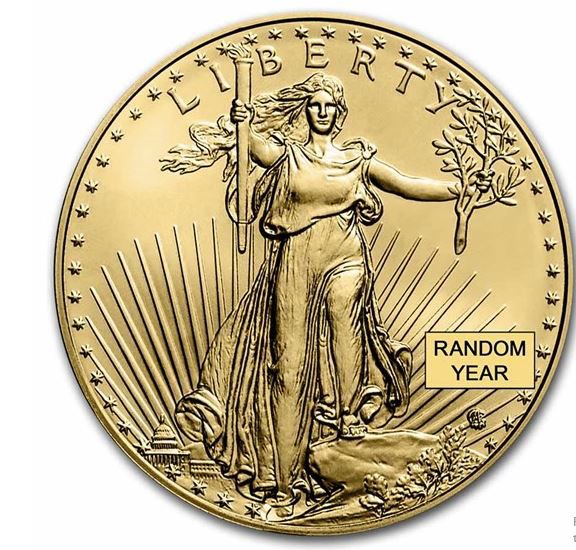 Gold
$4194.35
Gold
$4194.35
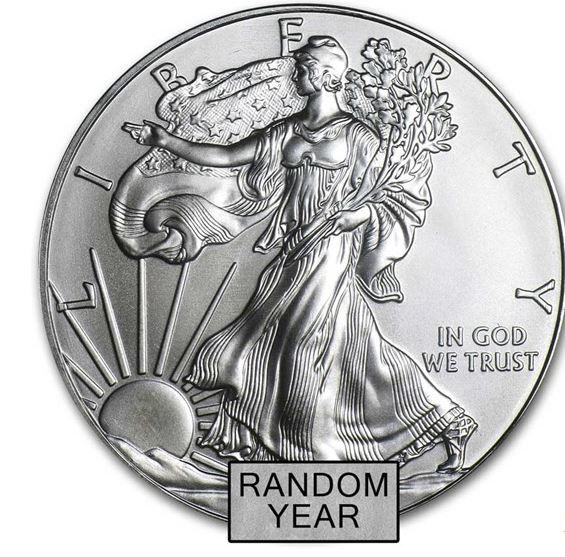 Silver
$60.81
Silver
$60.81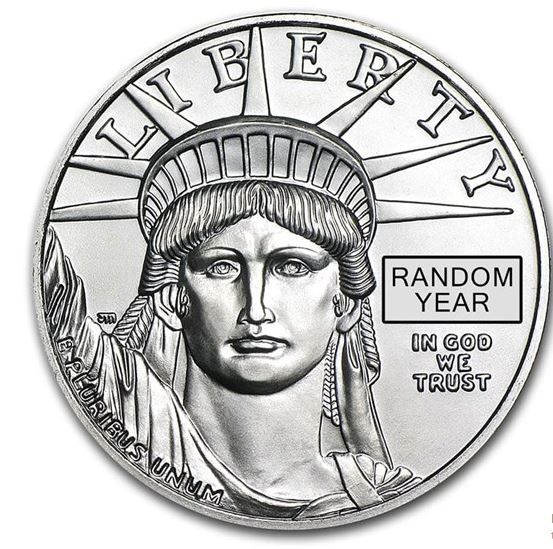 Platinum
$1690.89
Platinum
$1690.89